


WE'VE GOT THE RIGHT TIRES FOR
Chevrolet Tire Store & Certified Service in Hudson, MA
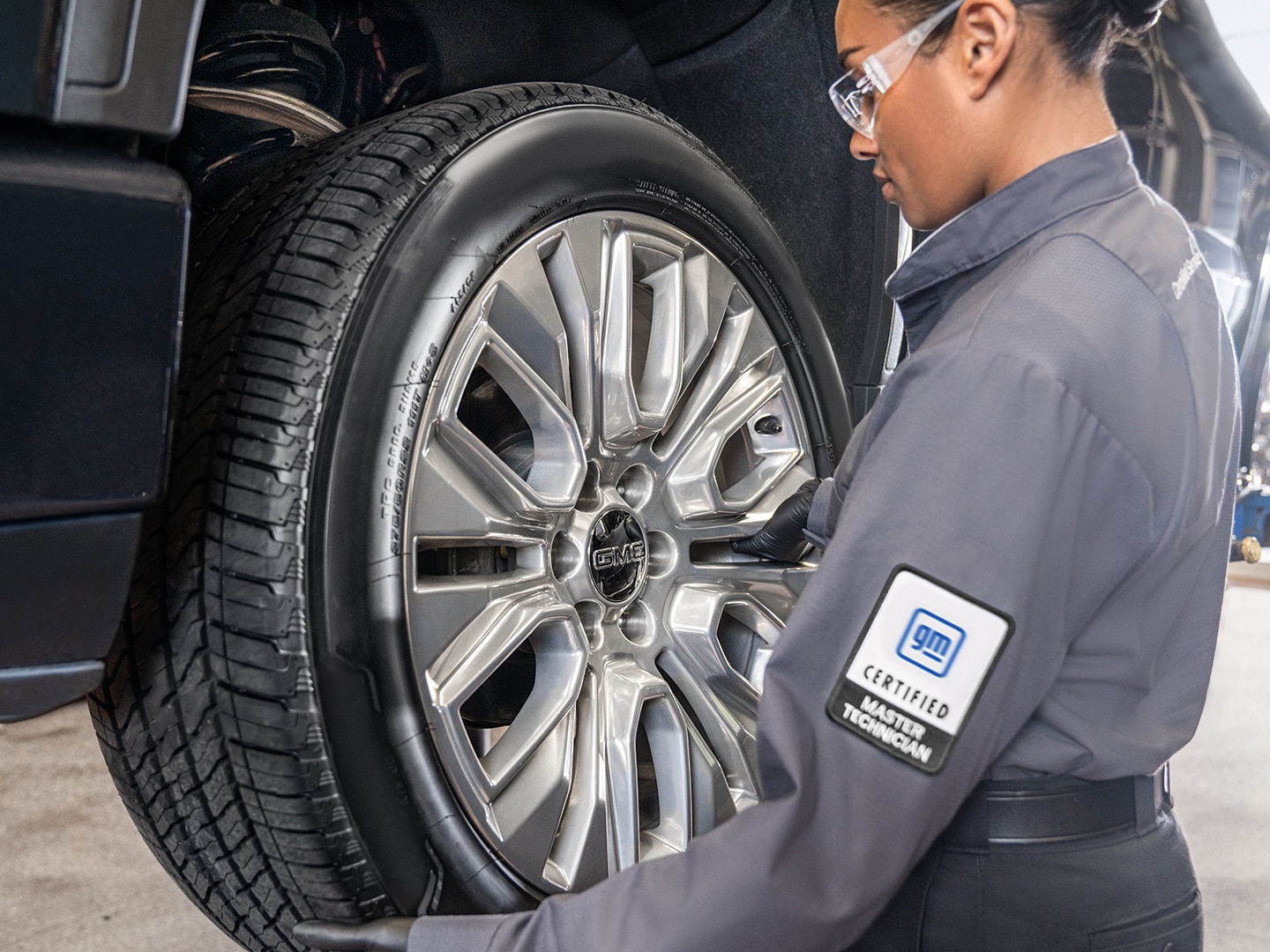
Your tires are your vehicle's most critical safety feature. Whether you are navigating New England winter weather or preparing for a summer road trip, the Certified Service experts at Copeland Chevrolet Hudson are highly trained to recommend the perfect tires for your vehicle and lifestyle. Use our convenient online Tire Finder Tool below to shop top brands or visit our service center-proudly serving drivers from Hudson, Marlborough, and all of Central Mass-for expert tire rotations, wheel alignments, and flat repairs.
- Vehicle Year
- Make
- Model
- Tire Size
Once you select your tires, schedule your appointment at Copeland Chevrolet Hudson for expert installation, balancing, and alignment performed by our team of experts.
TAKING CARE OF YOUR TIRES
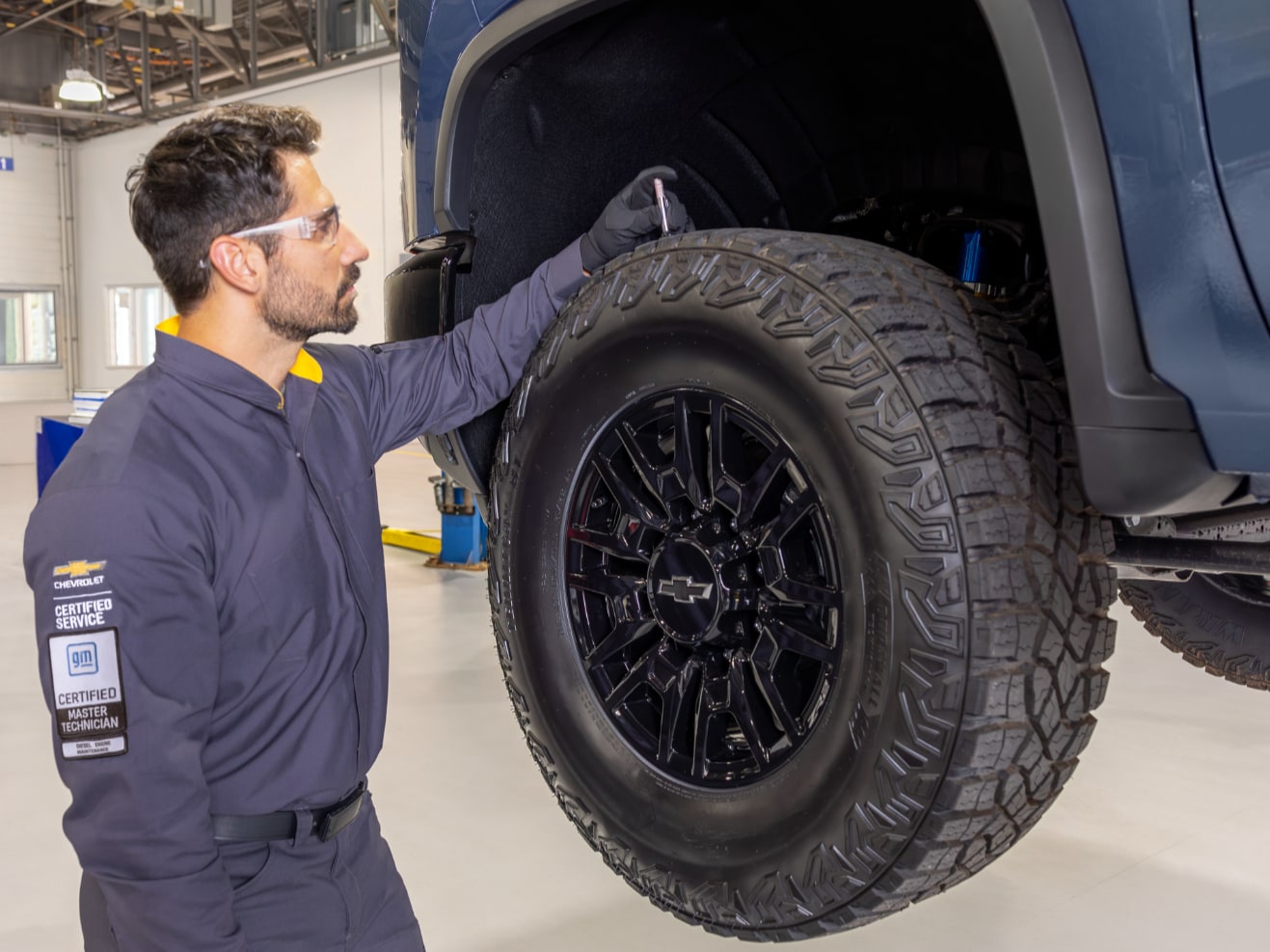
It's important to address any signs of wear on your tires, including:
- Cracks
- Bumps
- Cuts
- Split Sidewalls
- Tread Wear Indicators
At Copeland Chevrolet Hudson, our Certified Service experts can inspect your tires and deliver proper care and maintenance to help promote driving comfort, optimal performance and safety.
Chevrolet Tire Pressure & TPMS Guidelines
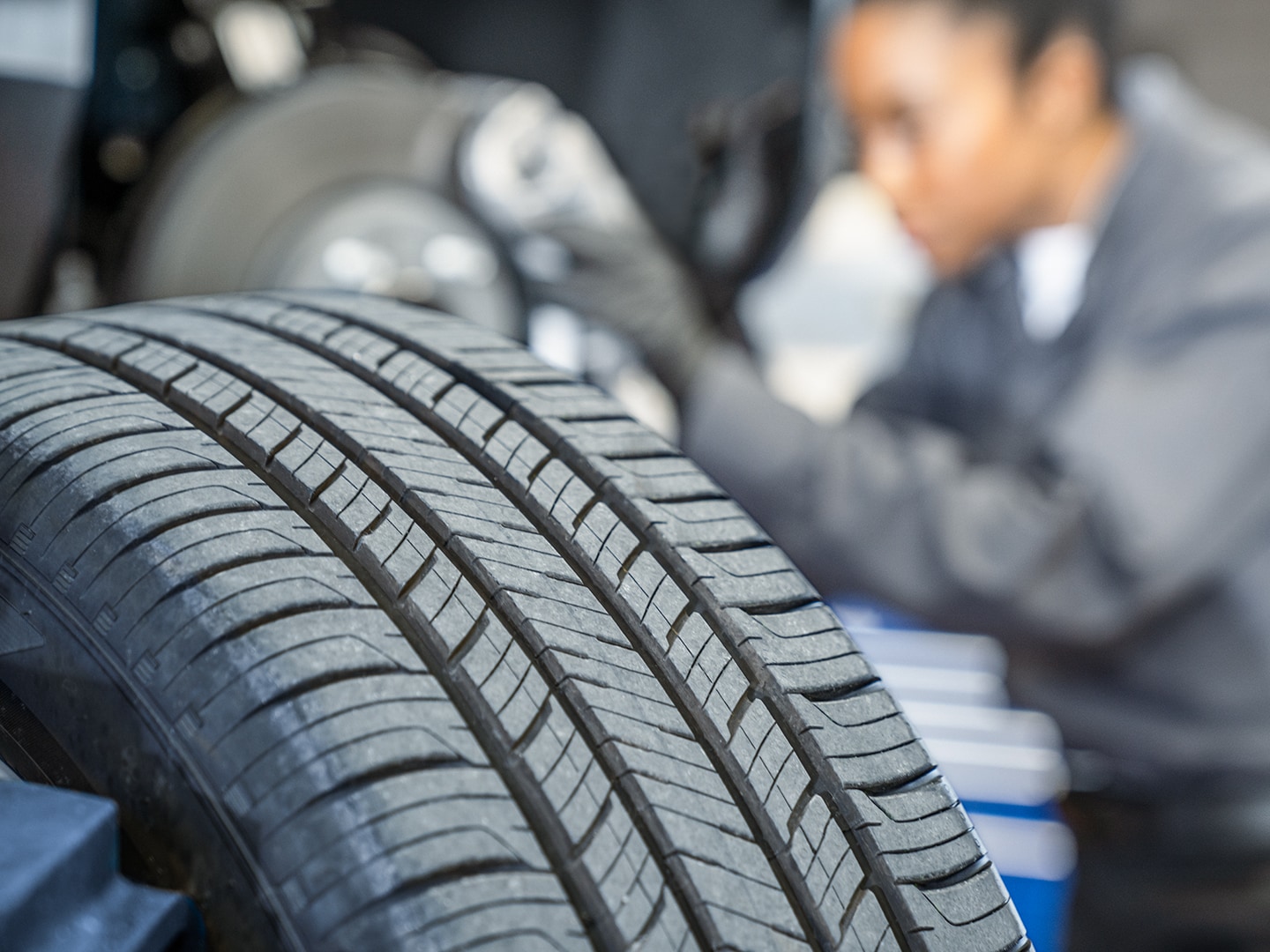
Maintaining proper tire pressure is critical for your safety, vehicle handling, and maximizing your fuel economy around Worcester. Underinflated tires wear prematurely and handle poorly, while overinflated tires risk blowouts and reduce traction. The team of experts at Copeland Chevrolet Hudson recommends regular checks to ensure your tires meet GM's exact specifications.
How to Find Your Recommended PSI
Not all Chevys require the same tire pressure. For example, a 2026 Chevy Equinox or Malibu typically requires 35 PSI, while a Silverado 2500 HD carrying a heavy payload may require 60 to 75 PSI.
Always check the Tire Information Label: Located on the inside of the driver's side doorframe, this sticker provides the exact cold tire pressure recommended by the manufacturer for your specific trim and load capacity. Do not use the "Max PSI" printed on the tire sidewall.
Check them cold: For the most accurate manual reading with a pressure gauge, check your tires when they have not been driven for at least 3 hours or have traveled less than 1 mile. We recommend checking manually at least once a month.
Understanding Your TPMS (Tire Pressure Monitoring System)
Most modern Chevrolets are equipped with a TPMS that alerts you if a tire drops 25% below the recommended cold inflation pressure.
Solid Light: If the TPMS dashboard light stays solid, adjust your tire pressure to the recommended levels and drive the vehicle to reset the sensor.
Blinking Light: If the TPMS light flashes for one minute before staying solid, there is a malfunction in the system itself. Schedule a diagnostic appointment with our Certified Service team immediately, as the vehicle can no longer warn you of a dangerous low-tire condition.
Professional Tire Rotation Services
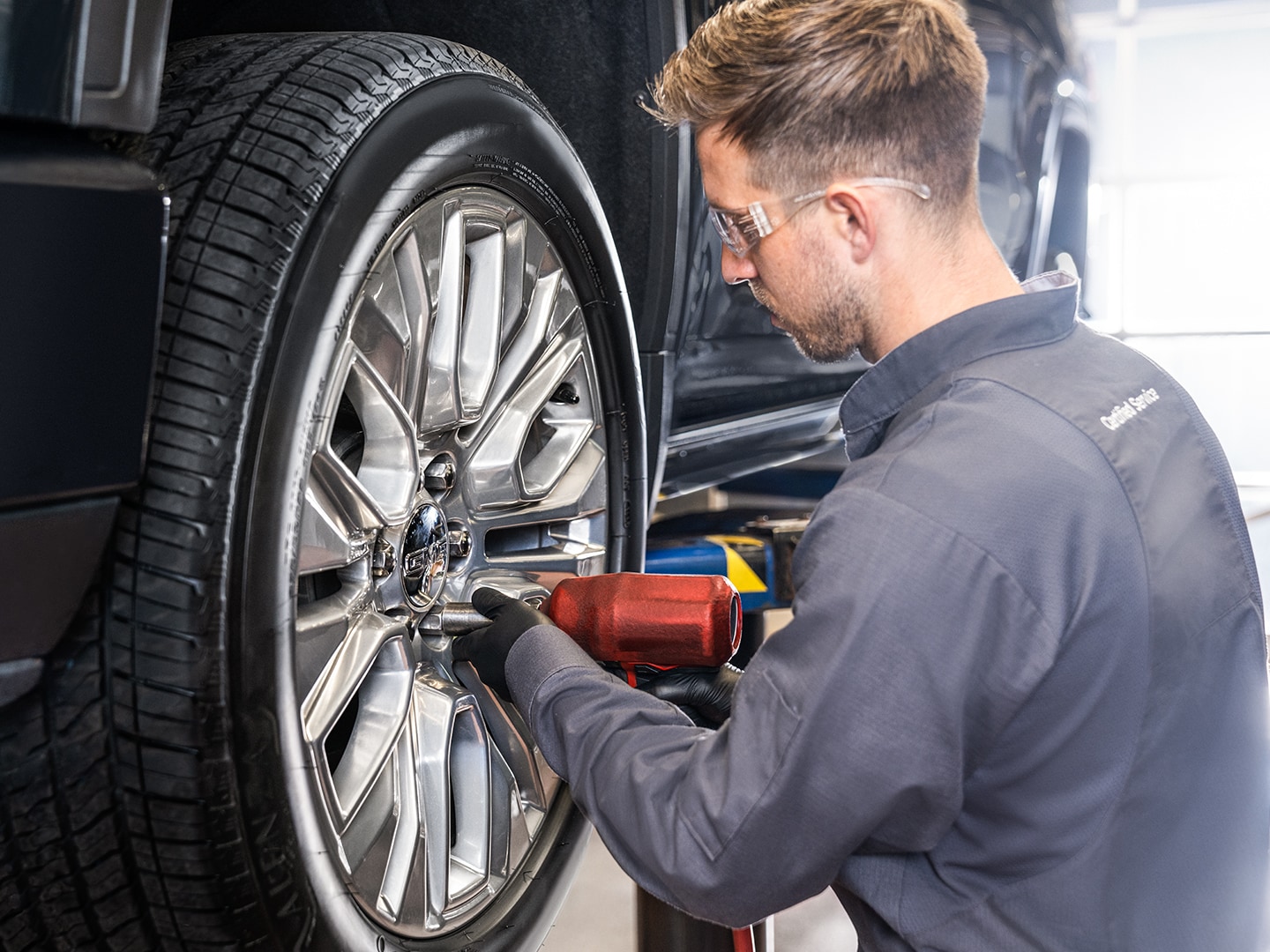
Tire rotation is one of the simplest yet most effective ways to maximize your investment in a new set of tires. Because the front and rear axles handle weight, steering, and braking differently, leaving tires in the same position causes them to wear unevenly.
At Copeland Chevrolet Hudson, our team of experts generally recommends rotating your tires every 7,500 miles. For convenience, this interval usually lines up perfectly with your scheduled oil changes.
Why Routine Rotation Matters
Promotes Even Tread Wear: Ensures no single tire takes the brunt of steering or acceleration forces, extending the overall lifespan of the set.
Maintains Handling and Traction: Uneven tires can compromise how your vehicle grips the road, especially during New England rain or snow.
Protects Drivetrain Components: This is especially critical for All-Wheel Drive (AWD) SUVs like the Equinox or Traverse. Unevenly worn tires rotate at slightly different speeds, which can cause excessive heat and wear on your AWD system.
How We Rotate Your Tires
The correct rotation pattern is dictated entirely by your vehicle's drivetrain. Our technicians always follow GM's exact specifications:
Front-Wheel Drive (FWD): We use the forward cross pattern-moving the front tires straight back, while the rear tires cross over to the opposite sides in the front.
Rear-Wheel Drive (RWD) & 4x4: For trucks like the Silverado or SUVs like the Tahoe, we use the rearward cross pattern-moving the rear tires straight forward, while the front tires cross over to opposite sides in the rear.
Always refer to your Owner's Manual or consult with our Certified Service team to confirm the recommended rotation schedule for your specific 2026 Chevy model.

Professional Wheel Alignment Services
A wheel alignment doesn't actually adjust your tires-it adjusts the suspension angles (camber, caster, and toe) that connect your vehicle to its wheels. Hitting a deep pothole in Worcester or clipping a curb can easily knock these delicate angles out of factory specification.
Improper wheel alignment forces your tires to drag rather than roll smoothly, which can lead to multiple problems:
Vehicle Pulling: If your vehicle drifts to the left or right while driving on a straight, level road, your alignment is off.
Off-Center Steering Wheel: When driving perfectly straight, your steering wheel logo should be level. If it sits crooked, it is a clear indicator of misalignment.
Rapid & Uneven Tire Wear: Misalignment puts excessive pressure on the inside or outside edges of the tire (known as feathering or cupping), forcing you to replace them prematurely.
Abnormal Vibrations: You may feel shaking in the steering wheel, particularly at highway speeds.
Squealing Tires: Misaligned tires often squeal or drag when turning corners.
To help protect the lifespan of your tires and suspension components, bring your vehicle to Copeland Chevrolet Hudson at the first sign of misalignment. Our Certified Service team uses computerized diagnostic equipment to reset your specific Chevy model to its exact factory angles, getting you back on the road safely.
CURRENT TIRE MANUFACTURER OFFERS
TIRES FAQs
You’ll need new tires if the Tread Wear Indicators at three or more places around the tire can be seen. We recommend that the tires be inspected for signs of wear or damage at least once a month, and that vehicle owners seek professional service if the following are found:
- Cracks in tire tread or sidewalls
- Cuts in tires that reveal cord or fabric
- Bumps, bulges or splits in tires
- Punctures in tires
- Any other irreparable damage
An underinflated tire can result in overloading and overheating, blowouts, excessive tire wear, poor handling and reduced fuel economy. Overinflated tires also can result in excessive tire wear.
Each tire on a vehicle performs a different task, causing them to wear at different rates. Regular tire rotation allows tires to wear evenly, optimizing tire life and allowing tires to be replaced in sets of four, which is preferable.
Our Certified Service experts can recommend tires that are right for your vehicle, your driving habits and your budget.